Reading Pictures
Alberto Manguel

Manguel—author of A History of Reading—turns his eye to how we “read” art. A welcome correlative to Berger’s Ways of Seeing.
Manguel—author of A History of Reading—turns his eye to how we “read” art. A welcome correlative to Berger’s Ways of Seeing.
Things I’ve learned about the act of reading.

Sennett defines craftmanship as the desire to do a job well for its own sake. In so doing, he frees it of the bounds of carpentry or metalwork and extends the work of craft to that of the programmer, the doctor, and the parent.

Based on the BBC documentary, Berger begins with a retelling of Walter Benjamin’s Art in the Age of Mechanical Reproduction and concludes with a brilliant analysis of modern day advertising and its roots in Renaissance-era oil painting.
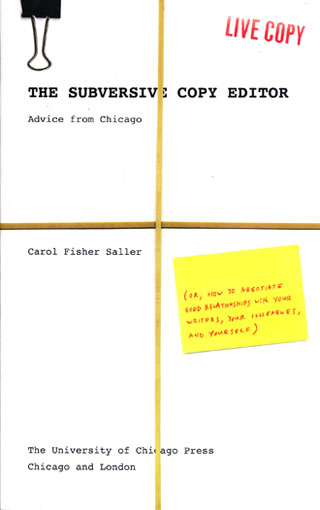
Carol Fisher Saller’s irreverent guide to copy editing has helpful advice for working with writers, as well as guidance for writers about working with their editor.
“Work” can mean toil or slog, but it can also mean creation, opus, oeuvre.

A beautifully designed book that has served me well in the kitchen.

Bill McKibben indicts the current economic system for it’s single-minded pursuit of “more” without regard for whether or not it is (or can be) “better.”

Shaugnessy’s irreverent guide—the ABC’s of design—addresses the underside of the designer’s life, with entries on banks, presentation skills, and sacking clients.

Davis’ shorts are very short—sometimes only a paragraph—but they leave impressions larger than the tiny space they consume.
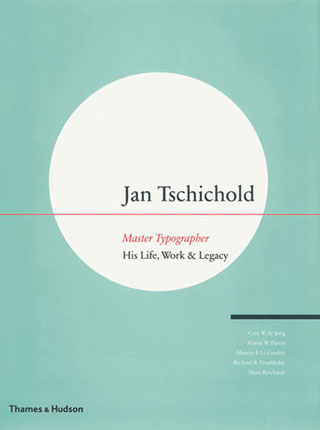
Thames & Hudson’s tome to Jan Tschichold is as oversized as he was.

Perhaps the only book I’ve discovered that carefully and thoroughly addresses the differences between oral and literate cultures.

Wolf addresses the ways in which the brain adapts—or fails to adapt—to reading.

The manual of web standards returns for a third edition, this time with the addition of the talented Ethan Marcotte.