Graphic Design
Adrian Shaughnessy

Shaugnessy’s irreverent guide—the ABC’s of design—addresses the underside of the designer’s life, with entries on banks, presentation skills, and sacking clients.
Shaugnessy’s irreverent guide—the ABC’s of design—addresses the underside of the designer’s life, with entries on banks, presentation skills, and sacking clients.

Davis’ shorts are very short—sometimes only a paragraph—but they leave impressions larger than the tiny space they consume.
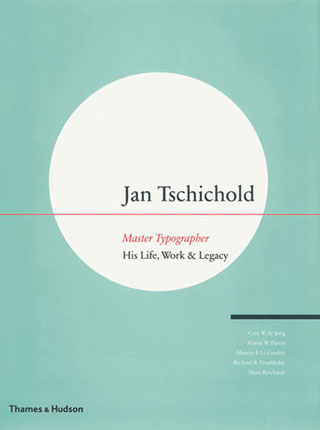
Thames & Hudson’s tome to Jan Tschichold is as oversized as he was.

Perhaps the only book I’ve discovered that carefully and thoroughly addresses the differences between oral and literate cultures.

Wolf addresses the ways in which the brain adapts—or fails to adapt—to reading.

The manual of web standards returns for a third edition, this time with the addition of the talented Ethan Marcotte.

Schumacher brilliantly interrogates modern economics and proposes an alternative: a Buddhist economics that takes as its imperative the quality of human life, not the quantity of profit.

A thorough and beautiful guide to typography and typesetting, worthy of any designer’s desk.

A short essay about the future of the book from the inimitable Robert Bringhurst.

The fourth in Tom Philips ongoing project to recompose an old, unknown Victorian novel. Weird and fascinating and beautiful.

The book on the new(ish) field of content strategy, or, how we’re going to save the web.

A fabulous little book, written by a lifelong worker.

An excellent, practical overview that demonstrates how to use CSS3 properties today, as well as other methods of “handcrafted” design.

A passionate, well-written text that argues that our centralized currency system is the key to the corporatism that has infected not only our government but our daily lives.

An eccentric collection of short pieces that touch on the subject of memory loss, from writers as varied as Martin Amis, Jorge Luis Borges, and Oliver Sacks.

May sees creativity as the ultimate goal of all people (not merely those traditionally deemed “creative”) and links creativity to well-being and a desire to make the world a better place.

Eisenstein’s tome about the history of the advent of printing has one central argument: that the printing press enabled a stability of text which in turn drove rapid advances in science and learning.

A slim volume, with Manguel’s youthful memories of evenings spent reading to Borges in his home in Buenos Aires.

A clever (and, yes, funny) collection of essays.

A work of existential psychology, May’s text is intelligent and engaging, with prose as lovely as the insights are profound.